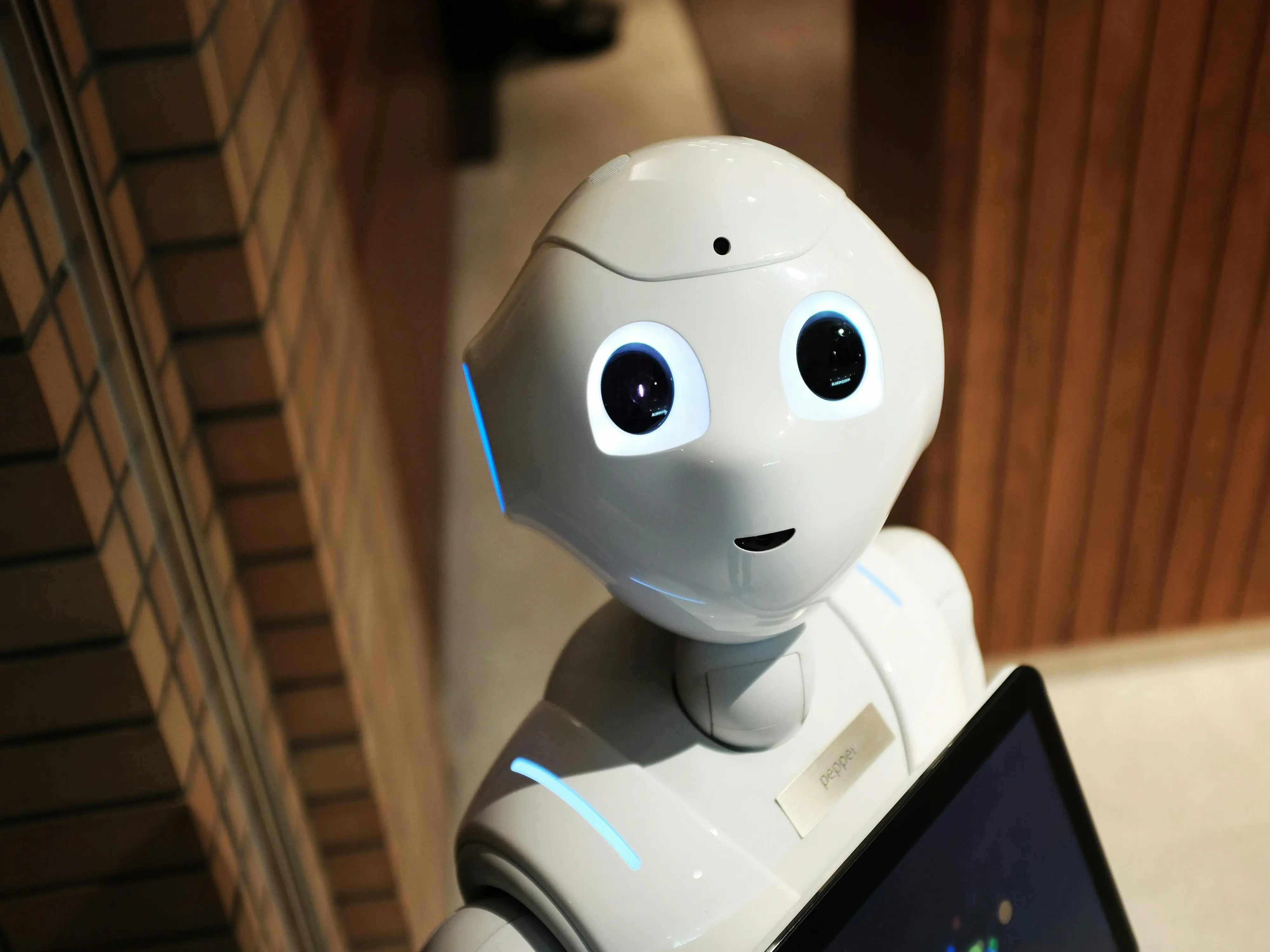
The Future of Work: Humans + AI Collaboration
June 5, 2025
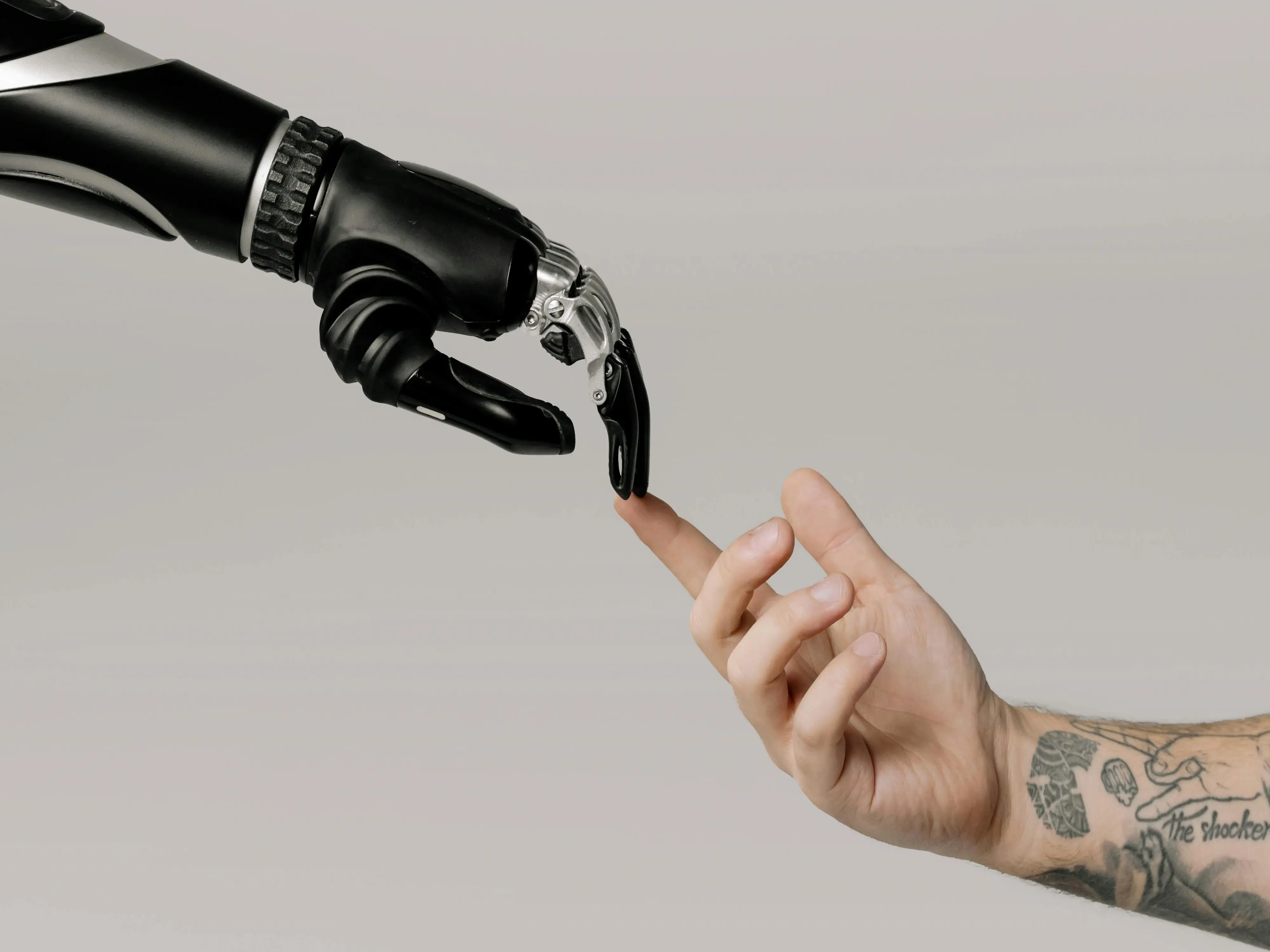
How AI is transforming jobs and creating new opportunities.
Why AI Won't Replace Everyone
Artificial Intelligence is transforming the workplace, but it will not replace every human role. While AI excels at automating repetitive, routine tasks, jobs that require creativity, critical thinking, empathy, and nuanced decision-making remain highly dependent on human expertise. The integration of AI into daily workflows is creating a collaborative model where humans and AI work side by side, enhancing efficiency without removing the uniquely human aspects of work.
This hybrid approach allows professionals to focus on complex problem-solving, strategic planning, and innovation, while AI handles data analysis, task automation, and repetitive processes. Organizations adopting this model often see significant gains in productivity and employee satisfaction, as staff can concentrate on high-value work instead of mundane tasks.
Moreover, AI acts as an augmentation tool, providing insights, recommendations, and predictive analytics that help humans make better-informed decisions. For instance, in healthcare, AI assists doctors with diagnostics but cannot replace the human empathy and judgment required for patient care. Similarly, in creative industries, AI may generate drafts or suggest ideas, but human curation, style, and originality remain essential.
Skills Needed in the AI Era
As AI reshapes the workplace, the skill set required for success is evolving. Critical thinking, creativity, and problem-solving have become more important than ever. Workers must also possess strong digital literacy, understanding how AI systems operate and how to leverage them effectively. Communication and collaboration skills are essential to work alongside AI tools, as well as to interpret AI-generated insights for practical implementation.
Continuous learning is a necessity, as AI technologies evolve rapidly. Professionals need to be adaptable, capable of integrating new tools into existing workflows, and comfortable with experimenting and iterating. Leadership roles now demand the ability to manage human-AI collaboration, ensuring ethical deployment and maximizing efficiency while maintaining human-centered organizational values.
In addition, emotional intelligence is increasingly valuable. As routine tasks are automated, interpersonal skills, empathy, and the ability to navigate complex social dynamics distinguish top-performing individuals in the AI-driven workplace.
New Jobs Created by AI
The rise of AI has generated entirely new career paths. AI engineers and machine learning specialists design, build, and maintain AI systems. Prompt architects craft effective prompts for language models to maximize output quality. Workflow automation experts optimize organizational processes by integrating AI tools. AI ethicists develop frameworks to ensure responsible, unbiased, and safe AI deployment. Data strategists analyze and structure data to support AI-driven decision-making.
Beyond technical roles, AI has enabled hybrid positions such as human-AI interaction designers, AI trainers, and automation consultants, bridging the gap between technology and user experience. These roles often require interdisciplinary knowledge, combining domain expertise with technical skills to create practical, human-centered AI solutions. The emergence of these professions highlights the transformative effect of AI, turning disruption into opportunity for those prepared to adapt and innovate.