The Rise of Autonomous Agents
March 20, 2025
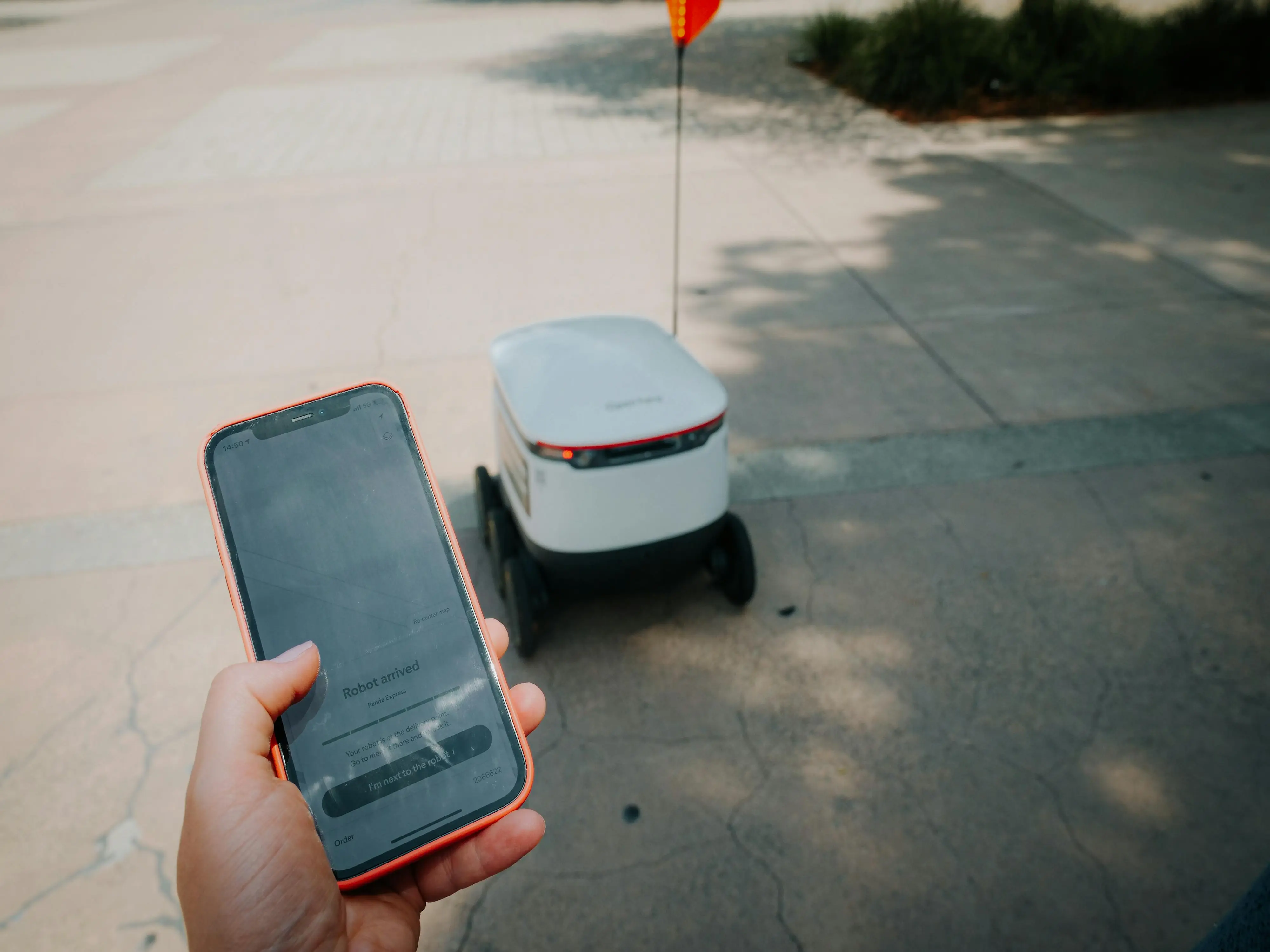
Why autonomous AI agents are becoming the next big thing.
Understanding Autonomous Agents
Autonomous agents are AI systems designed to perform tasks independently without continuous human intervention. Unlike traditional software that executes predefined commands, autonomous agents can plan, make decisions, and adapt to changing conditions. They operate based on objectives and rules, using sensors or data inputs to perceive their environment, evaluate options, and take actions that move them closer to achieving their goals.
The key advantage of autonomous agents lies in their ability to manage complexity. They can handle multi-step processes, monitor outcomes, and adjust their strategies dynamically. This makes them particularly effective for scenarios where tasks are too intricate or variable for human oversight alone. Agents are also capable of learning from experience, which allows them to optimize performance over time and handle unforeseen challenges with minimal supervision.
Autonomous agents are increasingly integrated with other AI technologies, such as natural language processing and computer vision. This integration enables them to interact naturally with humans, interpret unstructured data, and respond intelligently to real-world inputs. By combining multiple AI capabilities, autonomous agents can execute tasks that previously required teams of human operators, greatly enhancing efficiency and scalability.
Why Autonomous Agents Matter
The rise of autonomous agents marks a significant shift in automation. By executing complex sequences of actions without constant human guidance, agents can free employees from repetitive, mundane tasks and allow them to focus on higher-level problem-solving. Businesses benefit from faster workflows, reduced operational errors, and the ability to scale processes across multiple departments simultaneously.
Agents are also critical in scenarios requiring continuous monitoring and rapid decision-making. They can identify anomalies, optimize logistics, handle scheduling, and maintain system stability with precision. Their capacity for autonomous decision-making reduces latency in operations and enhances responsiveness in dynamic environments, from financial markets to manufacturing plants.
Moreover, autonomous agents have the potential to revolutionize software development, research, and customer interactions. By acting as intermediaries between humans and complex systems, they can streamline workflows, generate reports, conduct market analysis, and even deploy updates or manage cloud infrastructures automatically. This makes them indispensable in industries striving for agility, reliability, and efficiency.
Real-World Applications of Autonomous Agents
Autonomous agents are already being applied across a wide range of industries. In customer service, AI agents can handle inquiries, provide recommendations, and escalate complex issues to humans when needed. In business operations, agents manage supply chains, optimize resource allocation, and automate project workflows. In technology, they can perform CI/CD tasks, deploy updates, and monitor system performance continuously.
In research and data analysis, autonomous agents assist in gathering, processing, and summarizing large datasets, freeing researchers to focus on interpretation and strategy. Additionally, agents are being explored in creative and operational domains, such as content generation, robotics, autonomous vehicles, and smart infrastructure management. As their capabilities expand, the scope and impact of autonomous agents will continue to grow, fundamentally transforming how humans work alongside machines.